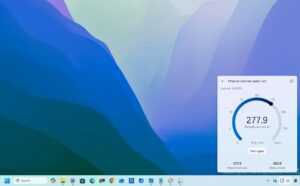
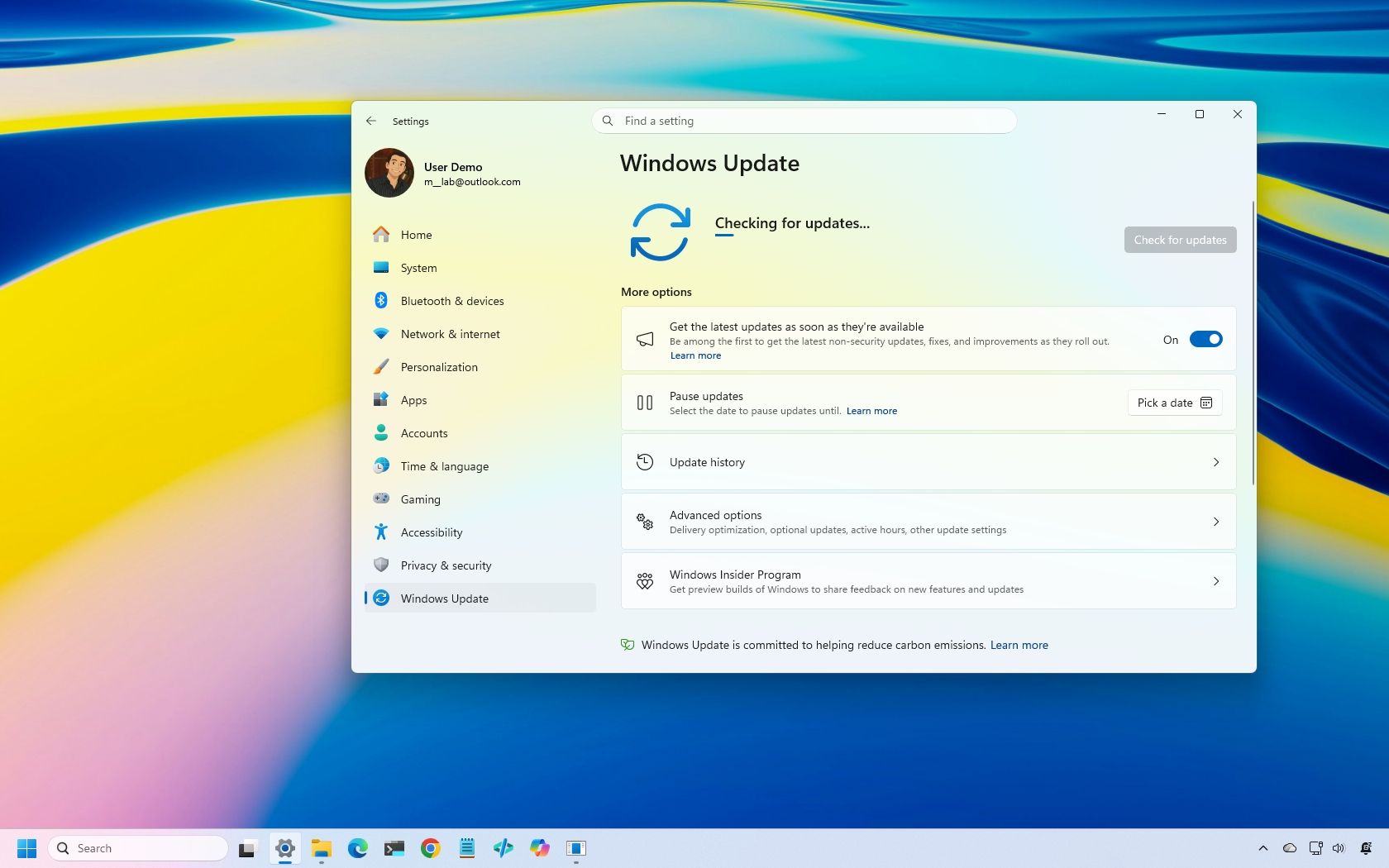
I recently highlighted an app that allows you to click and drag the taskbar to reposition it on Windows 11. In my piece, I said that “changing [the taskbar’s] position still requires digging through Settings.” That phrase and other parts of my piece led to a discussion online about the nature of coverage and being positive or negative when discussing apps and features.
Microsoft’s Vice President of Design Diego Baca, said the phrasing in my piece was “unnecessarily negative” and argued that I could have instead simply highlighted the third-party app.
Our Senior Editor Zac Bowden weighed in, stating that the intention of the piece was to be clear and informative, not negative. That’s true in this specific case, but Baca’s broader point about negativity in tech coverage is still worth discussing.
What stuck with me wasn’t whether my wording was too harsh. It was the question of how we should respond when companies explain why a feature isn’t necessary, especially when history shows those same features often arrive later.
Biggest News of the Week
I want to be clear about the nature of this piece. Baca’s response to my article sparked this discussion, but it’s not meant to call him out or criticize him. Every interaction I’ve had with Baca has been positive and I appreciate how much he interacts with the community on X and other platforms.
Baca was promoted to Vice President of Design at Microsoft in August. I’ve noticed a distinct increase in user engagement since then from both Baca and other members of Microsoft’s design team.
I would also be a hypocrite if I criticized Microsoft for not looking at feedback and then ignored feedback myself. I echo Baca’s sentiment that listening to feedback is important even if someone ultimately decides to go in another direction than what’s suggested. Understanding how other people think can shape how we view things in the future.
For the record, the headline of the article is and always has been “This free app makes moving the Windows 11 taskbar so much easier”I have changed the wording within the article where the quote you mentioned appears, which, again, was not the headline. But I should say that I don’t agree with your take. This was not meant in a negative tone.Windows 10 users that might have heard about Windows 11’s new movable Taskbar may not know that its implementation is different. “You still need” meaning that while it can be moved now, you’ll still need an app to restore the same draggable behaviors that you had on Windows 10. That’s just us being clear about the experience.However, I do appreciate you explaining more about how you designed the movable experience on Windows 11! I like the W11 implementation a lot. Again, I want to be clear: “You still need” never once showed up in the headline. This was only ever present beneath the header as part of the article on the page.October 31, 2026
Baca also discussed the topic further when responding to other posts on X.
When “not a priority” becomes Priority 0
Explaining why your product lacks a feature that’s available anywhere is easy. Defending why your product does not have a popular feature seen in other products is difficult. Justifying adding a feature after arguing against its value for years is almost impossible.
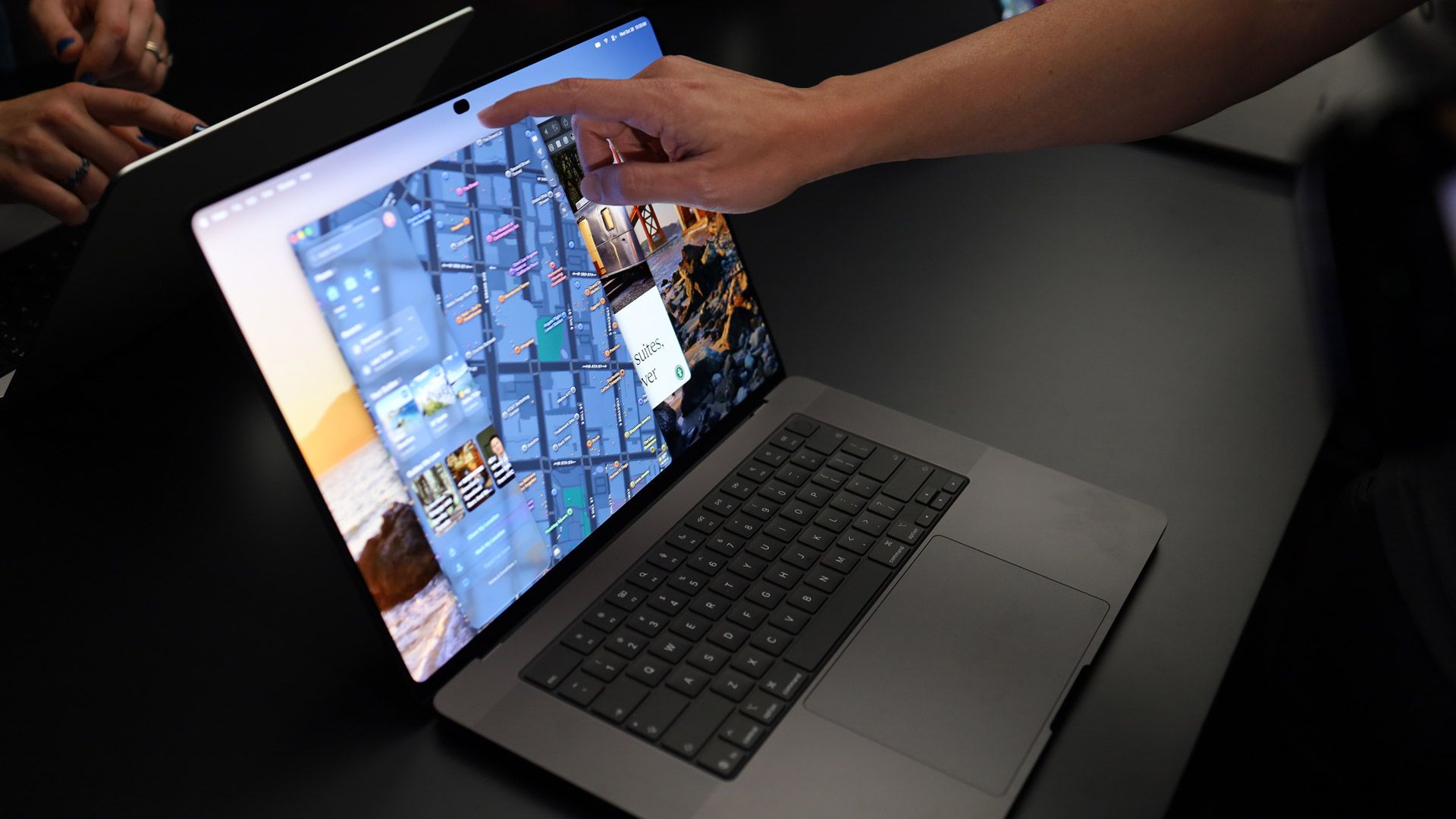
We’ve seen this with Apple and its touchscreen MacBook. Steve Jobs famously mocked the concept of a touchscreen laptop over a decade ago. In a similar manner, Tim Cook compared devices like the Surface Pro to combining a toaster and a refrigerator only for Apple to later release the iPad Pro, which is clearly similar to the Surface Pro in design.
Our Editor-in-Chief drove this point home recently.
Relating this back to Microsoft, the company tried to justify why the taskbar was immovable when Windows 11 shipped. Back in 2022, Tali Roth, head of product of Windows Core Experiences at Microsoft, explained why that was the case:
“When it comes to something like actually being able to move the taskbar to different locations on the screen, there’s a number of challenges with that. When you think about having the taskbar on the right or the left, all of a sudden the reflow and the work that all of the apps have to do to be able to understand the environment is just huge…
And when you look at the data, while we know there is a set of people that love it that way and, like, really appreciate it, we also recognize that this set of users is really small compared to the set of other folks that are asking for other features. So, at the moment, we are continuing to focus on things that I hear more pain around.”
In Roth’s defense, she did not claim a movable taskbar was a broken concept. But she did say the effort to make it work was huge and that only a small set of users were passionate about the feature.
Then, when the Windows K2 initiative started, adding the option to move the taskbar was one of the first changes made. Our Senior Editor Zac Bowden’s sources said that taskbar positioning was “Priority 0,” meaning it was even more important than priority 1.
I doubt the amount of effort required changed dramatically. The number of users interested in the feature has likely remained relatively consistent as well, so why was a movable taskbar a top priority in Windows K2?
That’s why I’m hesitant to treat explanations for missing features as the final word. Microsoft’s reasons for not prioritizing taskbar positioning in 2022 did not make users wrong for wanting the feature, and they did not make criticism of that decision invalid. If anything, the feature later becoming a Priority 0 item proves that those complaints were worth making in the first place.
High expectations, not hostility
I love that Microsoft is improving Windows 11. I think the Windows K2 initiative is one of the most important consumer-focused initiatives the company has had in years. I also think it’s okay to be critical while also noting improvements.
I am often critical of Microsoft and its products, but it’s not for kicks or clicks. It comes from a genuine hope for the OS to improve. As I said back in January:
“My frustration with Windows 11 and Microsoft doesn’t come from a place of “hate” — it comes from a place of high expectations. Whether Microsoft chooses to listen to its core enthusiasts or continues its current path toward an AI-bloated future remains to be seen. In the meantime, it’s worth facing a mirror toward Redmond.”
I’ve argued since March that Windows 11 isn’t doomed and that Microsoft is fixing the operating system. But much of that change was inspired by passionate, and often negative, feedback — the squeaky wheel gets the grease and all that.
So, I may think twice about being overly negative about Microsoft in the future, but after doing so I’m still likely to press “Publish” on an article calling for change.

Join us on Reddit at r/WindowsCentral to share your insights and discuss our latest news, reviews, and more.