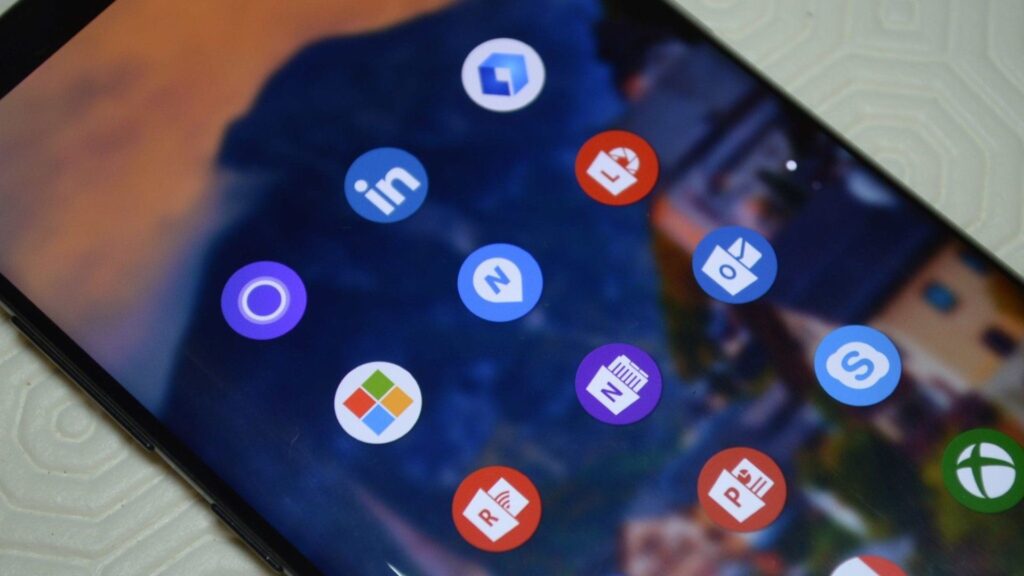

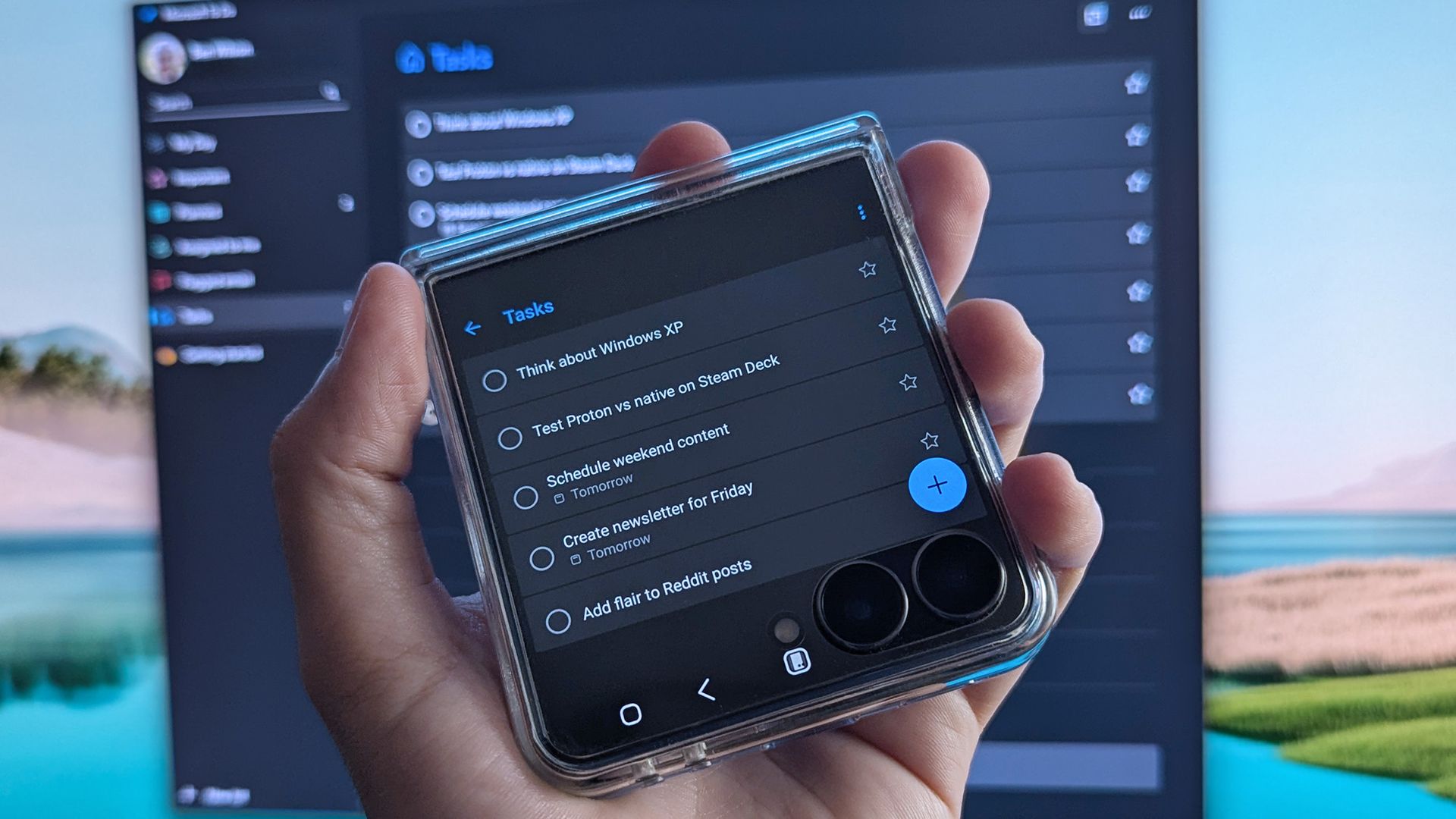
While you were busy playing GTA VI, Microsoft announced the retirement of one of its best apps. Microsoft To Do’s days are now numbered, leaving people in the Microsoft ecosystem looking for third-party alternatives.
Microsoft has retired apps before, but the end of Microsoft To Do hits differently. Microsoft To Do was free, naturally integrated with Microsoft 365, and was among the top apps in its category. This isn’t a situation like Skype falling into irrelevance. Microsoft To Do is still one of the best to do list apps, and Microsoft is getting rid of it anyway.
Microsoft has eroded its ecosystem of cross-device apps for years. After cutting away struggling services like Skype, Microsoft is now placing popular apps under the axe.
Biggest News of the Week


Years ago, Microsoft wanted people to use Microsoft hardware. That shifted dramatically as Microsoft moved to meet people where they were instead of trying to convert them to Windows hardware. Apple’s App Store and the Google Play Store were flooded with Microsoft apps.
Microsoft also acquired popular apps like SwiftKey, Wunderlist, and Sunrise Calendar to build up its portfolio.
The strategy extended beyond Microsoft services having a strong presence on iOS and Android. Microsoft worked to integrate mobile devices with Windows through Link to Windows and other apps.
I don’t think we ever reached a point where Microsoft had the best cross-device ecosystem, but the tech giant competed with Apple, Google, and Samsung.
Forced migration only works when the replacement serves the same audience as the original app.
Now, the possibility of another Microsoft app being canceled looms over each month. Check out the image at the top of the page. Wunderlist (and its successor Microsoft To Do) is gone. Skype is in the Microsoft Graveyard. Cortana said farewell like it was Halo Infinite.
Other apps are seemingly abandonware. When’s the last time Microsoft Launcher received a meaningful update? Microsoft has left SwiftKey alone for so long that people are worried that app could be the next to go.
So, why is this happening? My guess is money. There isn’t a path to monetizing Microsoft To Do. The “replacement” to Microsoft To Do is Planner, which requires you to have a business or education license of Microsoft 365.
Many of Microsoft’s canceled apps have replacements, but more often than not, those are aimed at business or education users. Forced migration only works when the replacement serves the same audience as the original app.
Microsoft is seemingly okay with losing an ecosystem that has limited profit potential. That may seem logical to a CFO or someone trying to balance Microsoft’s books, but it overlooks the value of having a robust and interconnected platform.
I could absolutely see that happening.November 19, 2026
How many people purchase an iPhone and a Mac exclusively for Handoff? Are there people who would switch from an iPad to an Android tablet if Apple got rid of Sidecar? There are probably a few, but Apple doesn’t need to view those features in isolation. The entirety of the ecosystem is valuable and at least some of the features offer a better experience for a broad range of users.
Microsoft could afford to drop some apps. But if it continues down its current path there won’t be an ecosystem at all. At some point, the few remaining consumer-focused apps will lose their value because there’s nothing left to integrate with.

Join us on Reddit at r/WindowsCentral to share your insights and discuss our latest news, reviews, and more.