Microsoft has been busy at work reducing the amount of RAM that Windows 11 consumes, and it finally made an official statement today on the topic.
As it turns out, the company has already been quietly shipping performance improvements in the latest Windows 11 updates, focusing on making systems with 8GB of RAM feel a lot more responsive.
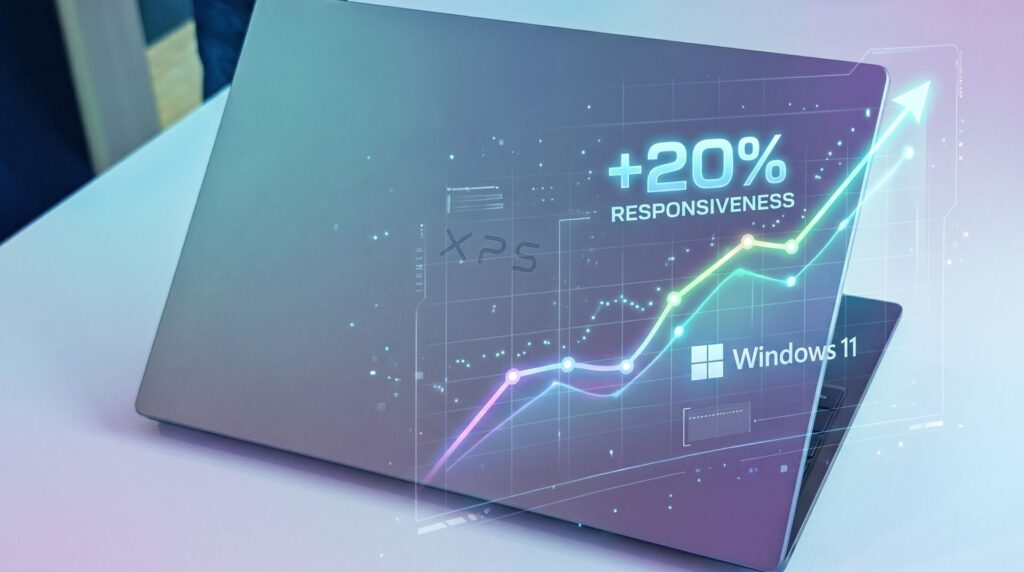
The result? Microsoft says Windows 11 is now about 20% more responsive on 8GB PCs compared to before this work started. The work also applies to systems with 4GB, 16GB, and beyond, with specific tuning for each amount.
This couldn’t come at a better time. RAM and storage shortages (explained below) are driving up the cost of all PCs, and models with 8GB of RAM are being revived to lessen the burden on consumers.
Our favorite 8GB Windows laptops in November 2026
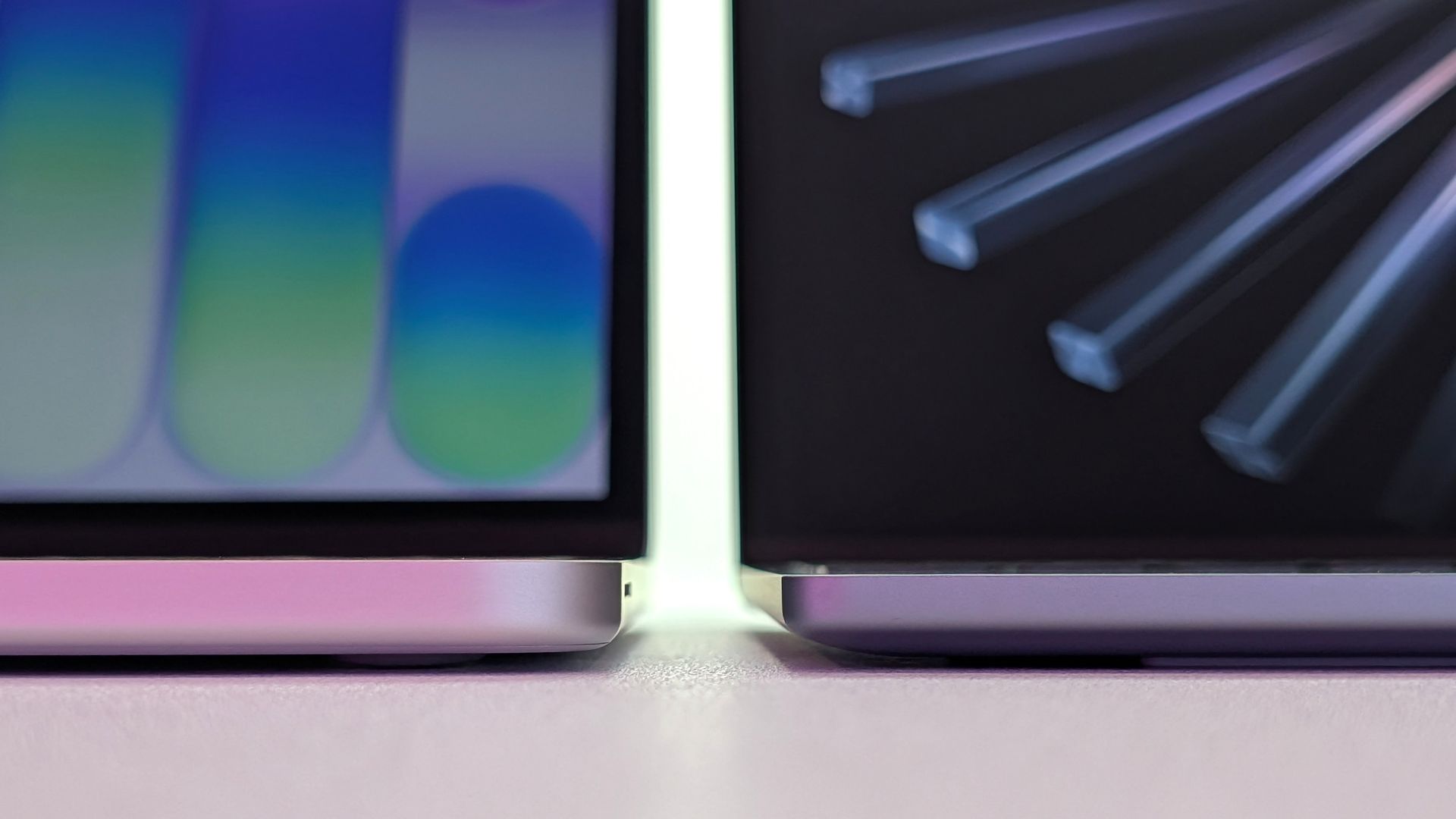
Companies like Dell, Acer, and HP have all recently launched 8GB laptops that cost somewhere around $699, with student and regular discounts frequently dropping those numbers lower.
If you were hesitant to shop for an 8GB laptop before, the recent Windows 11 updates should have you reconsidering, especially when prices are this reasonable. Here are my three favorite 8GB laptops right now.
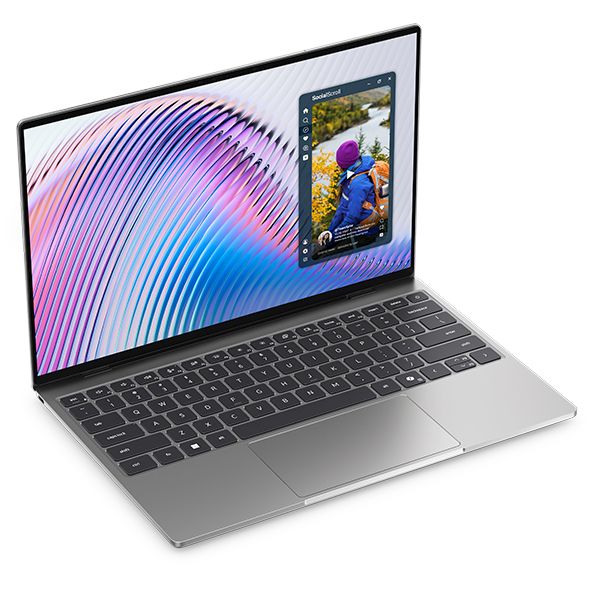
Dell’s awesome XPS 13 starts at $699.99 (or $599.99 if you’re a student) and includes an Intel Core 5 320 CPU, 8GB of LPDDR5x RAM, a 256GB M.2 PCIe 4.0 NVMe SSD, and a 13.4-inch touch display with 2560×1600 resolution
Dell’s new XPS 13 for 2026 wowed both Zac Bowden and me at Computex earlier this year, and it’s been available to buy since June.
It’s a laptop with many premium features despite its price, including a higher-res 2560×1600 (QHD+) display with a 120Hz refresh rate, an IR camera for Windows Hello facial recognition, capable speakers, and a comfortable keyboard/touchpad combo.
👉 Does Acer’s Swift Air 14 beat Dell’s awesome XPS 13?
It does not, however, offer USB-A or 3.5mm audio ports. Its display does not use an OLED panel; it uses IPS instead. And the $599 price is only available for students.
Still, $699 for everyone else is not bad at all in this economy, and most users should have no issues with the XPS 13.
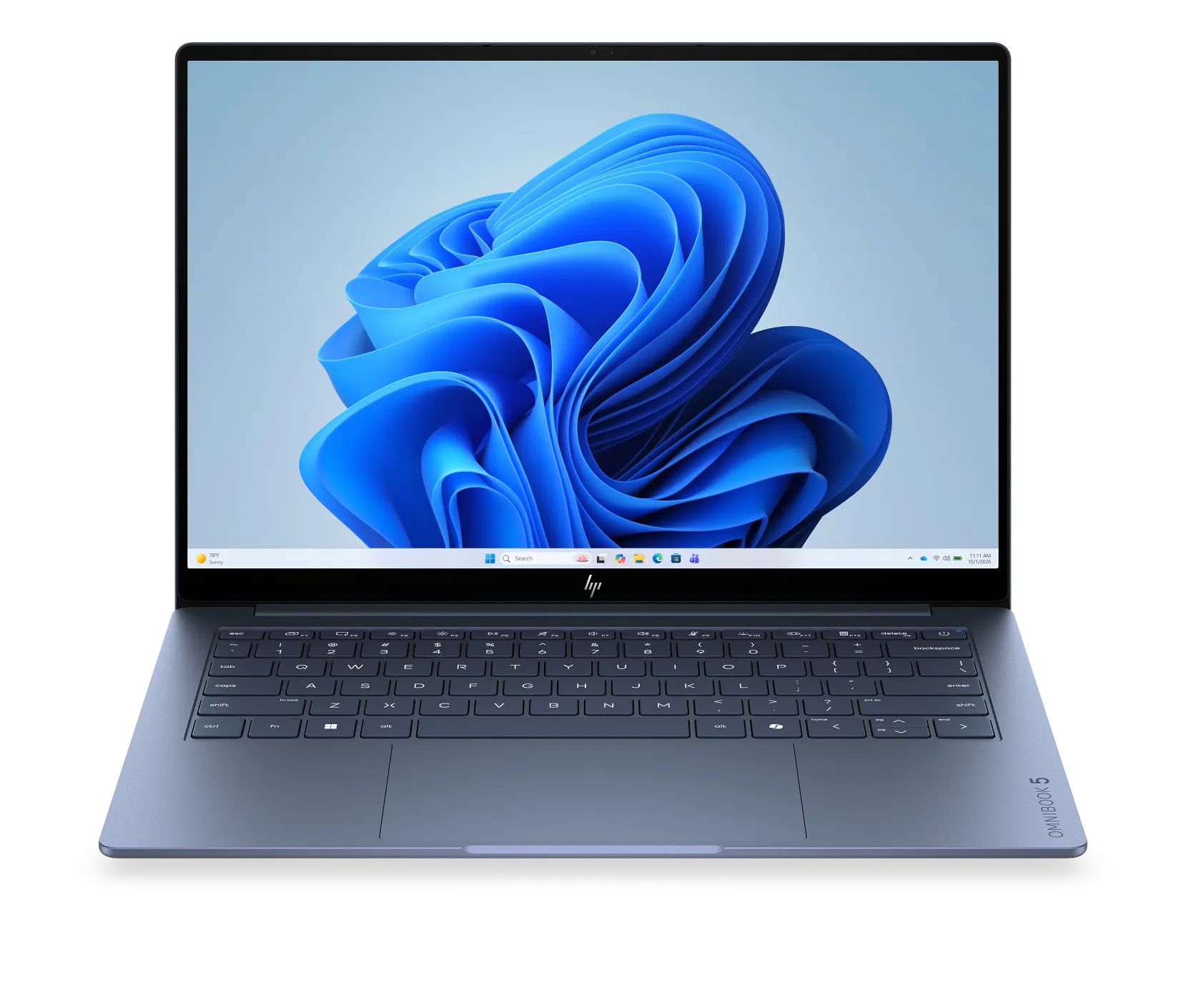
OmniBook 5 14: was $699.99 now $599.99
HP’s 14-inch OmniBook 5 is currently on sale for $599.99. It has an Intel Core 5 320 CPU, 8GB of LPDDR5x RAM, a 256GB M.2 PCIe 4.0 NVMe SSD, and a 14-inch OLED touch display with 1920×1200 resolution.
HP’s OmniBook 5 14 comes with the same Intel Core 5 320 CPU as the other laptops in this roundup, so don’t expect any major performance changes.
The OmniBook 5 includes an OLED panel for deeper contrast and more vivid color than IPS. The tradeoff is a lower 1920×1200 resolution and lower 60Hz refresh rate compared to the XPS 13.
HP’s laptop also includes HDMI and 3.5mm audio ports alongside dual USB-C at 10Gbps. It’s nice to have native video, but the lack of Thunderbolt is a letdown.
This laptop is currently on sale for $599.99 for everyone, making it (temporarily) the best deal of the bunch.
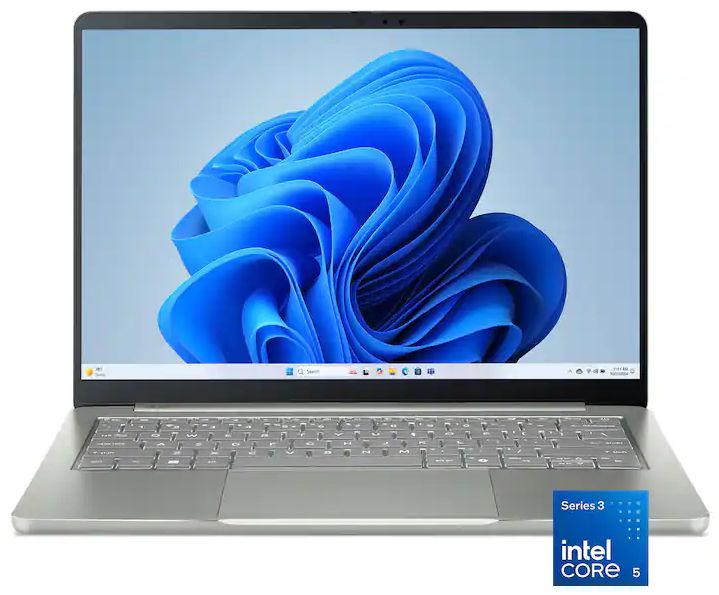
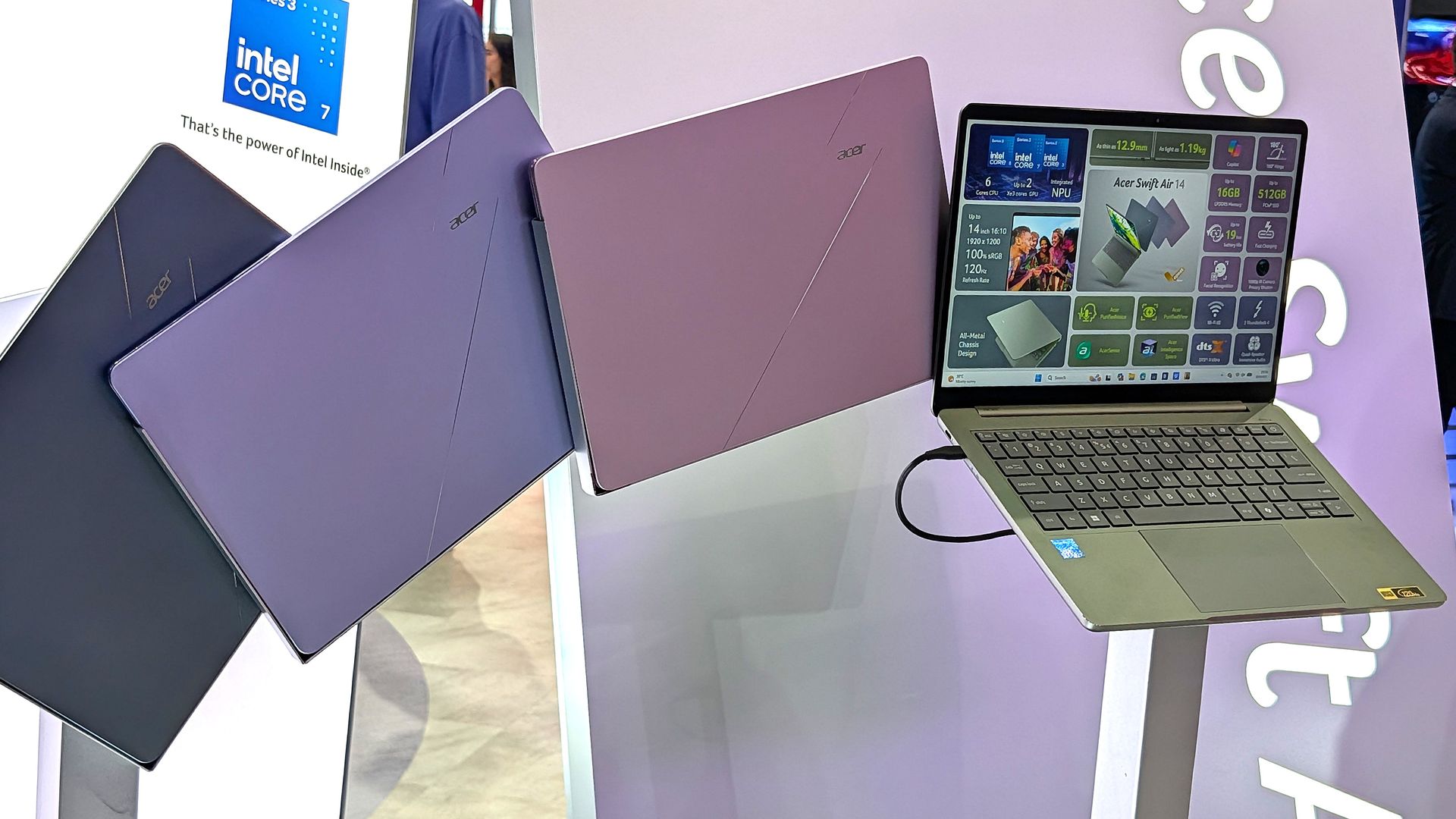
Acer’s Swift Air 14 costs $699.99 and comes with an Intel Core 5 320 CPU, 8GB of LPDDR5x RAM, a 512GB M.2 PCIe 4.0 NVMe SSD, and a 14-inch non-touch display at 1920×1200.
Acer’s Swift Air 14 immediately makes an argument for itself with twice as much storage (512GB) as the Dell and HP laptops. For those who prefer to store locally, this could be the deciding factor. However, it does drop down to PCIe 3.0 speeds.
Performance is largely the same thanks to it having the Intel Core 5 320 chip inside, with 8GB of LPDDR5x RAM.
The display hits a 1920×1200 resolution; it doesn’t have touch, but it does hit a smoother 120Hz refresh rate. You’re definitely giving up some screen quality to land that extra storage.
While the keyboard is great, the touchpad leaves something to be desired. Your experience may vary.
Why is Microsoft concerned with reducing Windows 11 RAM usage?
Sure, Windows 11 could always be more streamlined, but this big push for more RAM efficiency is also a result of the ongoing memory and storage crisis.
See, AI data centers are eating up many of the foundational components of PCs, making the consumer side far more expensive.
RAM in particular has exploded in price; the same 32GB kit of DDR5 I bought for my gaming PC a few years ago, for example, is roughly 600% more expensive today. Storage isn’t much better.
This is forcing PC makers to reevaluate their product lineups, as many consumers can no longer afford PCs with 16GB or more of RAM.
Cutting RAM in half is a huge cost saver and won’t likely stop anytime soon (the RAM crisis could last for years to come), so it’s great to see Microsoft taking user complaints about Windows 11’s responsiveness (or lack thereof) seriously.

Join us on Reddit at r/WindowsCentral to share your insights and discuss our latest news, reviews, and more.